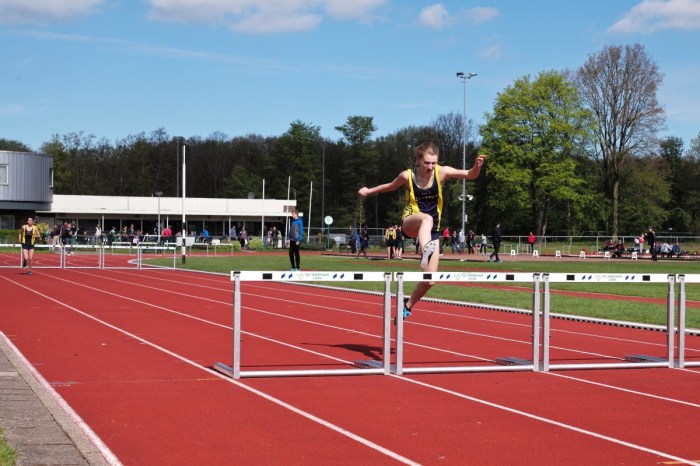
Obstacle course racing is an exhilarating sport that combines physical endurance with mental resilience, pushing participants to their limits through a series of challenging obstacles. Originating from military training exercises, these races have evolved into a global phenomenon, captivating adventure seekers and fitness enthusiasts alike. With events that range from muddy terrains to urban landscapes, each race offers unique features that test strength, agility, and teamwork.
Participants find themselves climbing walls, navigating rope swings, and plunging into water crossings, all while cultivating a sense of community and camaraderie. Whether you’re a seasoned athlete or a curious newcomer, obstacle course racing promises an adrenaline rush and a rewarding experience that makes it more than just a test of physical ability.
Overview of Obstacle Course Racing
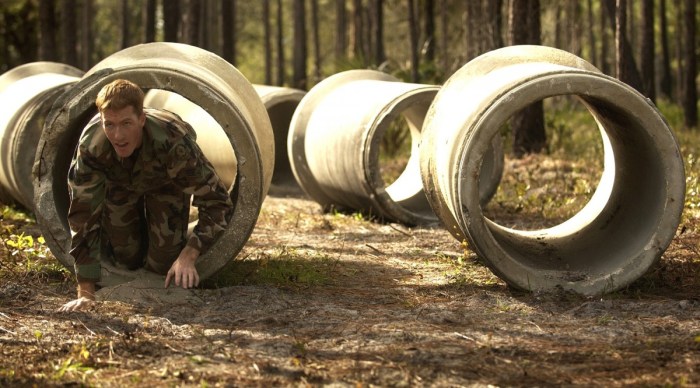
Obstacle course racing (OCR) is a sport that combines running with various physical challenges, often including climbing, crawling, and jumping over barriers. Its origins can be traced back to military training courses, where soldiers would navigate rugged terrain and obstacles to develop endurance and agility. Over the years, OCR has evolved into a popular recreational activity and competitive sport, attracting participants from all walks of life who seek both physical fitness and the thrill of adventure.Participating in obstacle course races presents a unique set of physical and mental challenges.
Athletes must possess not only strength and endurance but also problem-solving skills and mental resilience. The diverse array of obstacles, such as walls, mud pits, and rope climbs, test a participant’s ability to confront fears and push through discomfort. This blend of physical exertion and mental fortitude is what makes OCR an engaging and rewarding experience for many.
Popular Obstacle Course Racing Events
There are several renowned obstacle course racing events around the world, each featuring distinct characteristics that attract participants and spectators alike. These events not only test physical capabilities but also foster a sense of community and camaraderie among racers. Below are some of the most notable OCR events globally:
- Spartan Race: Known for its challenging courses and diverse race formats, Spartan Race includes distances from 5K to ultra-marathons, featuring obstacles that range from barbed wire crawls to spear throws. It emphasizes both individual competition and team spirit.
- Tough Mudder: This event focuses on teamwork and camaraderie, often featuring muddy courses with unique challenges like electric shocks and ice-cold water. Tough Mudder promotes a non-competitive atmosphere, encouraging participants to help each other conquer the obstacles.
- OCR World Championships: Bringing together the best athletes from around the globe, this championship event showcases elite-level competition. Participants face a variety of obstacles designed to test their speed, strength, and technical skills.
- Warrior Dash: As one of the original obstacle course races, Warrior Dash is known for its fun and festival-like atmosphere. It features a 5K course filled with creative obstacles, making it accessible for beginners while still providing a fun challenge for seasoned racers.
Each of these events has its unique features and challenges, contributing to the vibrant tapestry of obstacle course racing. With races held in diverse environments—from rugged mountains to urban settings—participants are sure to find an event that suits their interests and abilities.
Training and Preparation for Obstacle Course Racing
Preparing for obstacle course racing (OCR) demands a multifaceted approach encompassing physical training, mental resilience, and nutrition strategies. Aspiring racers must adopt a carefully structured regimen that not only builds strength and endurance but also fine-tunes skills essential for overcoming the diverse challenges encountered on the course.
Training Regimen for Aspiring Obstacle Course Racers
A well-rounded training regimen is crucial for developing the strength, agility, and endurance required for obstacle course racing. Here’s a comprehensive weekly training plan designed for individuals preparing for these challenging events:
- Strength Training (3 days/week): Focus on compound movements such as squats, deadlifts, and overhead presses. Incorporate bodyweight exercises like pull-ups, push-ups, and dips to enhance functional strength.
- Cardiovascular Training (2-3 days/week): Engage in high-intensity interval training (HIIT) or distance running to improve cardiovascular endurance. Aim for at least 30-60 minutes per session, mixing sprints with longer steady-state runs.
- Obstacle-Specific Training (2 days/week): Practice tackling obstacles such as walls, ropes, and monkey bars. Create a mini course at a local gym or park to simulate race conditions.
- Flexibility and Recovery (1-2 days/week): Implement yoga or dynamic stretching sessions to enhance flexibility and aid recovery. This is crucial for preventing injuries and improving overall performance.
Techniques for Mastering Various Obstacles
Each obstacle in a race demands specific techniques to navigate successfully. Understanding these techniques can significantly enhance performance during competitions.
Mastery over obstacles is achieved through consistent practice and the application of proper techniques.
Walls
Approach with confidence, using a running start. Utilize a “jump and grip” technique by driving knees up as you leap, grabbing the top edge to pull yourself over.
Ropes
Employ the “S” technique for climbing ropes, alternating your feet to create a stable base as you ascend. Practice foot locking for efficient climbing.
Water Crossings
Focus on maintaining a steady pace while navigating through water. Keep your body low to reduce drag and use a strong kick to propel yourself forward.
Nutrition Plan for Optimal Performance
A tailored nutrition plan is essential for supporting training and enhancing performance on race day. Proper fueling can make a noticeable difference in endurance and strength.
- Pre-Race Nutrition: Consume a balanced meal rich in carbohydrates and moderate protein 3-4 hours before the race. Options include oatmeal with fruit, whole grain toast with nut butter, or a smoothie.
- During the Race: For races lasting over an hour, consider quick-digesting carbohydrates like energy gels or chews to maintain energy levels. Hydration is also key; drink water or electrolyte solutions.
- Post-Race Recovery: Focus on replenishing glycogen stores with a carbohydrate-rich meal within 30 minutes post-race. Include lean proteins for muscle recovery, such as chicken, fish, or plant-based protein sources.
Laws and Issues in Obstacle Course Racing
Obstacle course racing (OCR) has surged in popularity, but with its growth comes a range of legal responsibilities and issues that organizers must navigate. Understanding these aspects is critical for ensuring safety and compliance, both for participants and event hosts. This section explores the legal landscape surrounding OCR, emphasizing safety protocols, participant liability, and the necessity for proper insurance.
Legal Responsibilities of Race Organizers
Race organizers play a vital role in maintaining a safe environment for participants. They are legally responsible for implementing safety measures to mitigate risks associated with the course obstacles. Organizers must:
- Conduct thorough risk assessments to identify potential hazards on the course.
- Ensure that all obstacles are designed, constructed, and maintained to meet safety standards.
- Provide adequate signage and instructions to inform participants of potential risks.
- Have trained medical personnel on-site to respond to emergencies.
- Implement emergency plans to address accidents or injuries that may occur during the race.
A critical aspect of liability involves informed consent, where participants are often required to sign waivers acknowledging the risks associated with the race. However, these waivers can be contested in court if it’s proven that the organizer was negligent in their duties.
Importance of Insurance for Organizers and Participants
Insurance is an essential component of obstacle course racing events. Both organizers and participants require appropriate coverage to protect against unforeseen incidents. Organizers should secure:
- General liability insurance to cover claims for injuries or damages during the event.
- Event cancellation insurance to mitigate financial losses due to unforeseen circumstances.
- Property insurance to protect against damage to equipment or the venue.
For participants, having personal injury insurance can provide financial protection in case of accidents during the race. Without proper insurance, both parties could face significant legal and financial repercussions.
Regulations and Standards Governing Obstacles
The construction and maintenance of racing obstacles are guided by specific regulations and standards to ensure safety. These guidelines may vary by region but generally include the following considerations:
- Compliance with local building codes that dictate materials and construction methods used for obstacles.
- Regular inspections of obstacles to ensure they remain safe for participants throughout the event.
- Adherence to industry standards, such as those set by organizations like ASTM International, which provides guidelines for sports equipment safety.
Organizers must remain vigilant and proactive in maintaining these standards to avoid liability and ensure a safe racing environment. Non-compliance can lead to serious legal consequences and jeopardize future events.
“Safety is not just a checklist; it’s a commitment to participants and their well-being.”
Comparison with Other Sports
Obstacle course racing (OCR) presents a unique blend of athletic demands that sets it apart from other sports. While many sports focus on specific skill sets, OCR requires versatility and the ability to adapt to a variety of physical challenges. Understanding how OCR training approaches compare to those of other sports helps illuminate the diverse nature of athletic preparation and performance.
Training Approaches Compared to Martial Arts and Strength Sports
Training for obstacle course racing often incorporates elements from various training modalities, particularly martial arts and strength sports. In martial arts, practitioners focus on discipline, agility, and technique, which are vital for navigating obstacles. Similarly, strength sports emphasize power and muscle endurance, which are crucial for completing the physically demanding aspects of OCR.
Cross-training
Obstacle course racers frequently engage in cross-training, integrating techniques from both martial arts (such as agility drills and balance training) and strength disciplines (like weightlifting and resistance training). This multifaceted training helps develop the strength, flexibility, and coordination necessary for tackling diverse obstacles.
Endurance and stamina
While martial arts may not emphasize long-duration endurance, OCR racers need to sustain their energy over the course of a race, often lasting several hours. This contrasts with strength sports, where short bursts of maximum effort are the norm.
Mindset and strategy
Both OCR and martial arts require a strong mental component, including focus and the ability to think strategically about obstacle navigation. However, strength sports primarily concentrate on individual performance metrics, such as lifting heavier weights.
Similarities and Differences in Strategy and Teamwork with Team Sports
Obstacle course racing shares some strategic elements with team sports, yet the overall approach to teamwork and strategy can differ significantly. In team sports, such as soccer or basketball, success hinges on coordinated efforts and communication among teammates.
Individual vs. collective focus
OCR can be both an individual and team sport, allowing racers to compete solo or in teams. In team formats, while teamwork is essential, participants often rely on individual strengths to tackle different obstacles. This contrasts with traditional team sports, where synchronized teamwork is crucial for success.
Communication strategies
In team sports, players must communicate effectively to execute plays and formations. In OCR, while teamwork is important, the focus often shifts to personal performance and problem-solving, as each competitor must assess obstacles and decide the best approach independently.
Training dynamics
Team sports typically involve collective training sessions that emphasize group drills and strategies. OCR training may have a stronger focus on individual skill development, even in group settings, as each racer works on their specific strengths and weaknesses.
Elements from Water Sports and Winter Sports
Obstacle course racing also draws inspiration from the techniques and challenges found in water and winter sports. These elements enhance the complexity and diversity of OCR obstacles.
Water obstacles
Many OCRs include water challenges, such as swimming, wading through mud, or climbing over structures that require swimming skills. Competitors must adapt their swimming technique to navigate effectively while managing fatigue.
Winter sports challenges
OCRs may incorporate elements reminiscent of winter sports, such as sledding, climbing icy surfaces, or maneuvering through snow-like conditions. These require similar physical capabilities, including balance and agility, which are necessary for navigating obstacles effectively.
Environmental adaptability
Just as athletes in water sports must adapt to currents and conditions, OCR racers must be prepared for changing environments, whether it’s mud, uneven terrain, or obstacles that simulate winter challenges, enhancing their overall adaptability.
Impact of Technology on Obstacle Course Racing
Technology is reshaping the landscape of obstacle course racing, providing athletes with innovative tools that enhance both training and race-day experiences. From sophisticated training devices to social media platforms, technology is making significant contributions to how races are conducted and how athletes prepare for them. This integration not only improves performance but also fosters a sense of community among racers and fans alike.
Technology in Training Techniques and Race Experiences
Athletes are increasingly utilizing advanced training techniques supported by technology. Wearable gadgets such as heart rate monitors, GPS tracking devices, and smart wristbands allow racers to gather data on their performance, analyze their endurance levels, and tailor their training sessions accordingly. High-tech training apps provide personalized workout plans and enable users to monitor their progress over time, ensuring they remain on track to meet their racing goals.
For instance, platforms like Strava allow racers to connect with fellow athletes, share insights, and track their performance metrics on various courses.
Race experiences have also been enhanced through technology. Many obstacles now incorporate electronic timers and RFID chips to ensure accurate timing and tracking of participants. This technology not only streamlines race operations but also enriches the experience for both competitors and spectators. Live leaderboards and real-time updates via event apps keep fans engaged and informed, providing a sense of excitement throughout the event.
Role of Social Media in Promoting Events and Community Engagement
Social media platforms have become vital for promoting obstacle course racing events and fostering community engagement. Events utilize social media to reach a broader audience, share updates, and connect with participants before and after races. Through platforms like Instagram, Facebook, and Twitter, organizers can showcase race highlights, share training tips, and feature participant stories, creating a vibrant community around the sport.
Hashtags associated with specific races help in building awareness and encouraging participants to share their experiences and achievements, which further amplifies the reach of the events.
Athletes also leverage social media to document their journeys, engage with fans, and inspire others considering participation. This sense of community not only motivates racers but also attracts newcomers into the sport, thus ensuring its growth and sustainability.
Popular Apps and Gadgets for Performance Tracking
Numerous apps and gadgets have gained popularity among obstacle course racers, enhancing their training and performance tracking. These tools help athletes understand their physical capabilities and improve their skills. The following list highlights some of the most widely used options:
- Strava: A social fitness network that tracks runs and rides, allowing users to compare performance with friends and set challenges.
- TrainingPeaks: An app used to analyze workouts and plan training schedules, providing insights into performance metrics.
- MyFitnessPal: A diet and exercise tracking app that assists racers in managing their nutrition and caloric intake.
- Garmin Forerunner Series: GPS-enabled smartwatches that provide detailed metrics on heart rate, pace, distance, and more.
- Fitbit: A wearable fitness tracker that monitors daily activities, sleep quality, and heart rate, helping athletes optimize recovery and performance.
- MapMyRun: An app that allows users to track their running routes, distance, and pace, beneficial for training on varied terrain.
Incorporating these technologies into training and race preparations significantly influences performance, making obstacle course racing a more dynamic and engaging pursuit for athletes at all levels. As technology continues to evolve, its integration into the sport is expected to deepen, fostering even greater engagement and innovation in the future.
End of Discussion
In summary, obstacle course racing is not just about conquering physical challenges; it’s a celebration of determination, strategy, and community spirit. From the rigorous training regimes to the safety concerns that race organizers must address, this sport encapsulates a dynamic blend of preparation and thrill. As technology continues to shape the training and racing experience, the future of obstacle course racing looks brighter than ever, inviting more participants to join this exciting adventure.
Popular Questions
What is the average distance of an obstacle course race?
Most obstacle course races range from 3 to 10 miles, but some can extend much longer depending on the event.
Do I need special gear to participate?
While specific gear is not mandatory, proper athletic shoes, moisture-wicking clothing, and gloves are recommended for optimal performance.
Can anyone participate in obstacle course racing?
Yes, obstacle course racing is designed for all fitness levels, and many events offer different categories to accommodate beginners and experienced racers alike.
How can I find an obstacle course race near me?
Many websites and local fitness groups list upcoming obstacle course races, or you can check event platforms like Eventbrite or Meetup.
Are there age restrictions for obstacle course racing?
Age restrictions vary by event; some races allow participants as young as 12, while others may have minimum age requirements of 16 or older.


