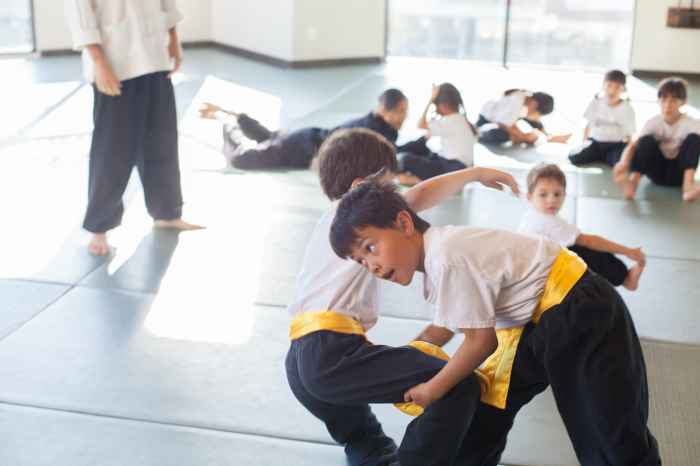
Martial arts for kids offers a thrilling journey where discipline meets fun, igniting a passion for physical activity while providing essential life skills. These ancient practices not only enhance physical fitness but also foster mental resilience, emotional strength, and social interactions.
From Karate to Taekwondo, children can explore various styles tailored to their age and abilities, each promoting self-defense and teamwork. With safety measures and legal considerations in place, parents can confidently enroll their children in martial arts classes that ensure a nurturing environment for growth.
Benefits of Martial Arts for Kids
Martial arts training offers a multitude of benefits for children, blending physical fitness with life skills that extend beyond the dojo. Engaging in martial arts helps kids develop strength, discipline, and confidence, fostering a well-rounded character that can thrive both in and out of school. This unique combination of physical and mental growth makes martial arts a compelling activity for children of all ages.
Physical Benefits of Martial Arts Training
Martial arts practice involves a variety of physical activities that contribute to overall health and fitness. These activities promote flexibility, coordination, and strength, which are essential for growing bodies. Engaging in martial arts can lead to improvements in:
- Cardiovascular Health: Regular training enhances heart health by increasing endurance and promoting better circulation.
- Strength and Muscle Development: Many martial arts techniques require the use of body weight to perform movements, which helps build and tone muscles.
- Flexibility: Stretching and dynamic movements improve flexibility, reducing the risk of injuries in sports and daily activities.
- Coordination and Balance: The practice of various techniques enhances motor skills, helping children become more coordinated and balanced.
Mental and Emotional Advantages
Martial arts training significantly contributes to children’s mental and emotional well-being. The structured environment of martial arts classes helps kids develop focus and discipline. Additionally, the challenges present in martial arts foster resilience and self-esteem. The key mental and emotional benefits include:
- Improved Focus: The need for concentration during training sessions helps children enhance their attention span.
- Emotional Regulation: Learning to control emotions during sparring and competition teaches kids how to manage stress and frustration.
- Boosted Confidence: Mastering new skills and techniques provides a sense of accomplishment, building self-esteem.
- Resilience: Facing challenges in martial arts teaches persistence and the importance of not giving up.
Enhancement of Social Skills and Teamwork Abilities
Martial arts environments foster camaraderie and respect among participants, making it an excellent avenue for kids to improve their social skills. Interaction with peers in a structured setting encourages teamwork, communication, and leadership. Key aspects of social skills development through martial arts include:
- Respect for Others: Martial arts instills a sense of respect for instructors and fellow students, promoting a positive social atmosphere.
- Teamwork: Partner drills and group activities encourage collaboration and the ability to work cohesively with others.
- Communication Skills: Engaging with peers and instructors enhances verbal and non-verbal communication skills.
- Conflict Resolution: Learning to navigate sparring situations can translate to better handling of conflicts outside the dojo.
Different Types of Martial Arts Suitable for Children
Martial arts provide a fantastic way for kids to learn valuable skills while having fun. With various styles available, it’s essential to understand which martial arts cater specifically to children’s needs and development stages. Each style has unique characteristics, benefits, and suitability factors for different age groups.
Popular Martial Arts Styles for Kids
Several martial arts styles are particularly popular among children, each with distinct characteristics and class structures. Below is an overview of some of the most suitable martial arts for kids:
| Martial Art | Age Requirements | Class Structure | Focus Areas |
|---|---|---|---|
| Karate | 4 years and up | Beginner classes often focus on basic techniques and forms. | Discipline, focus, self-defense |
| Taekwondo | 5 years and up | Classes emphasize kicking techniques, forms, and sparring. | Fitness, flexibility, self-confidence |
| Judo | 6 years and up | Classes focus on throwing techniques and ground control. | Self-defense, respect, discipline |
| Brazilian Jiu-Jitsu (BJJ) | 4 years and up | Class structure includes partner drills and technique practice. | Self-defense, problem-solving, confidence |
| Kung Fu | 5 years and up | Classes mix forms, self-defense techniques, and fitness exercises. | Discipline, cultural appreciation, agility |
Each martial art has specific age requirements that can guide parents in selecting the right classes for their children. These programs typically aim to promote not only the physical aspects of martial arts but also the mental and emotional growth of young practitioners.
“Martial arts teach children important life skills such as respect, patience, and self-control.”
Safety and Legal Considerations in Martial Arts Training
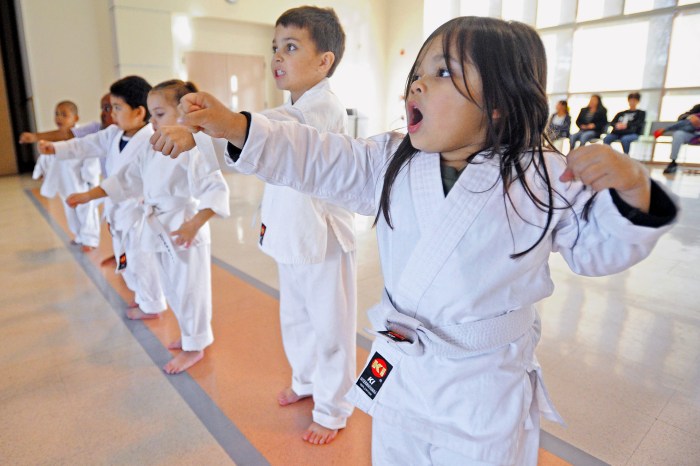
Ensuring safety in martial arts training for children is a vital aspect for parents when selecting a school. It’s important to understand the measures that are in place to protect young learners, as well as the legal implications involved in martial arts practices. Here, we will explore essential safety protocols and legal considerations that every parent should be aware of.
Safety Measures in Martial Arts Schools
Martial arts schools should implement several safety measures to ensure a secure training environment for children. These measures not only protect the students but also foster a respectful and safe culture within the dojo. Key safety measures include:
- Proper Matting: Schools should utilize high-quality mats to cushion falls and reduce the risk of injuries during sparring or practice.
- Protective Gear: Students should be required to wear appropriate protective equipment, such as headgear, mouthguards, and shin guards, to minimize injury risk.
- Qualified Instructors: All instructors must be certified and trained in child safety and first aid, ensuring they can effectively manage any incidents that arise.
- Supervised Classes: Classes should maintain an appropriate instructor-to-student ratio to ensure adequate supervision and individual attention.
- Age-Appropriate Techniques: Instructors should tailor training techniques and sparring practices to match the skill levels and physical capabilities of children.
Legal Issues in Martial Arts Training
Legal considerations are an essential aspect of martial arts training, particularly concerning liability and parental consent. Schools must adhere to legal standards to protect themselves and their students. Some important legal issues include:
- Liability Waivers: Most schools require parents to sign liability waivers, which typically protect the school from legal claims related to injuries sustained during training.
- Parental Consent: Consent forms are necessary for minors, ensuring that parents acknowledge the risks involved in martial arts and grant permission for their child’s participation.
- Insurance Coverage: Schools should have liability insurance to shield themselves from potential lawsuits and provide a safety net for both instructors and students.
- Compliance with Local Regulations: Martial arts schools must adhere to local laws and regulations governing children’s sports and activities to maintain operational legality.
Key Points for Parents When Selecting a Martial Arts School
Choosing the right martial arts school for a child involves careful consideration of various factors. Parents should assess the following points to ensure a safe and enriching environment:
- Reputation of the School: Research the school’s reputation in the community, looking for reviews and testimonials from other parents.
- Instructor Qualifications: Verify the credentials and experience of the instructors, ensuring they are trained to work with children.
- Safety Policies: Inquire about the safety measures in place and how the school handles injuries or emergencies.
- Class Size and Structure: Examine the class sizes to ensure that students receive adequate attention and supervision during training.
- Trial Classes: Consider enrolling the child in trial classes to gauge their comfort level and interest in the martial art before committing.
Conclusive Thoughts
In conclusion, martial arts for kids is a dynamic blend of physical, mental, and social benefits that extends beyond the dojo. It nurtures young champions, equipping them with the skills they need to thrive both inside and outside of martial arts, fostering a sense of community and self-assurance.
Essential FAQs
What age can my child start martial arts?
Most martial arts schools offer classes for children as young as four or five years old, depending on the style.
Are there any risks associated with martial arts for kids?
Like any physical activity, there is a risk of injury, but with proper training and safety measures, these risks can be minimized.
How do I choose the right martial arts school for my child?
Look for schools with qualified instructors, a focus on safety, and a curriculum that matches your child’s interests and goals.
Can martial arts help with my child’s confidence?
Yes, martial arts training often boosts self-esteem and confidence as children learn new skills and achieve personal goals.
What should my child wear to a martial arts class?
Children typically wear a uniform specific to the martial art they are practicing, often called a gi, which can be purchased from the school.


