
As Autonomous car racing takes center stage, this opening passage invites readers into a fascinating world where cutting-edge technology meets the thrill of competition. With advancements in artificial intelligence and real-time data processing, the landscape of racing is evolving rapidly, paving the way for a new era in motorsports.
This innovative approach combines sophisticated sensors and machine learning to enhance race strategies and overall performance. As we delve into this electrifying topic, we’ll uncover not just the technological marvels at play but also the legal and ethical implications that accompany such advancements in autonomous racing.
Autonomous Car Racing Technology
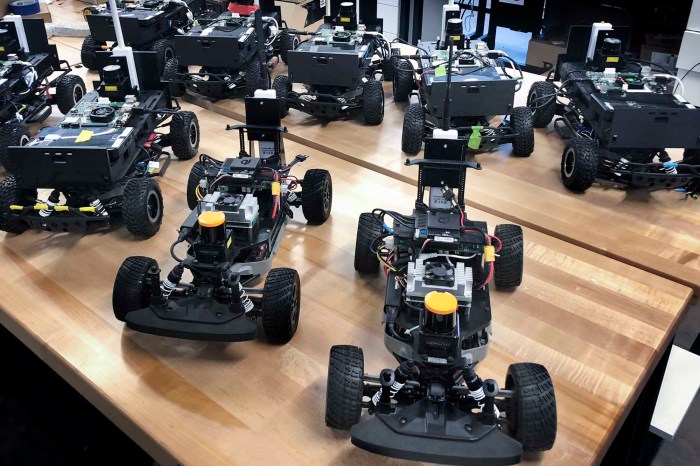
The world of autonomous car racing is revolutionizing the automotive and technology industries by integrating sophisticated technologies that push the limits of speed, precision, and safety. The core of this innovation lies in a mixture of advanced sensors, artificial intelligence (AI), and machine learning algorithms that work together to navigate the complexities of racing. These technologies not only enhance performance but also provide insights into race strategies that were previously unimaginable.
Core Technologies
The primary technologies that enable autonomous car racing include a variety of sensors and AI systems. Sensors such as Lidar, cameras, radar, and ultrasonic sensors are crucial for environment perception. They gather data about the car’s surroundings, including obstacles, terrain conditions, and other competitors on the track. The integration of these sensors allows for a robust understanding of the racing environment.
Artificial intelligence plays a pivotal role in processing this vast amount of sensor data, making real-time decisions that are critical during a race. For instance, AI algorithms can analyze the gathered data to determine optimal racing lines and detect potential hazards, adjusting the car’s speed and trajectory accordingly.
Machine Learning in Race Strategies
Machine learning significantly enhances the capabilities of autonomous racing cars by enabling them to learn from previous races. By analyzing past performance data, these systems can identify patterns and refine their racing strategies. This includes adjusting driving styles based on the competition’s behavior and optimizing pit stop strategies for maximum efficiency.Examples of successful implementations of machine learning in autonomous racing include the development of race simulation environments where cars can compete against one another digitally.
These simulations allow engineers to test various strategies and fine-tune the algorithms before they are applied in real-world racing scenarios.
Real-Time Data Processing Significance
Real-time data processing is essential for the success of autonomous racing cars. The ability to analyze and respond to data instantaneously can be the difference between winning and losing a race. This involves not just speed but also accuracy in decision-making. In a competitive racing environment, the car must process incoming data about speed, acceleration, and environmental conditions at an incredibly fast rate.
For instance, modifications in track conditions caused by weather changes or the actions of other drivers must be processed immediately to adjust the vehicle’s dynamics.
“Real-time data processing allows autonomous racing cars to make split-second decisions that can lead to victory or failure.”
The usage of high-performance computing and advanced algorithms ensures that autonomous racing vehicles can operate efficiently, making them not just faster but also safer and more reliable than traditional race cars. As technology continues to evolve, the integration of more advanced AI and data processing capabilities will further enhance the dynamics of autonomous car racing, setting new benchmarks in the industry.
Legal and Ethical Considerations
The landscape of autonomous car racing is rapidly evolving, not only in terms of technology but also in legal frameworks and ethical discussions. As these vehicles take to the tracks, it is critical to understand the laws that govern them and the ethical implications that arise from their use in competitive racing. This section delves into the current legal frameworks, explores accountability in the event of accidents, and considers how regulatory bodies are adapting to these advancements.
Current Laws Governing Autonomous Vehicles in Racing
The legal landscape surrounding autonomous vehicle racing is still in its infancy, with various jurisdictions implementing different regulations. The primary focus of these laws is to ensure safety, accountability, and fair competition. In the United States, for instance, the National Highway Traffic Safety Administration (NHTSA) has set guidelines that Artikel the responsibilities of manufacturers and drivers regarding autonomous vehicles.Key aspects of these regulations include:
- Safety Standards: Autonomous racing vehicles must meet stringent safety criteria akin to traditional race cars, including crash testing and performance evaluations.
- Liability Laws: Current regulations often place responsibility on manufacturers for accidents involving their autonomous vehicles, thus emphasizing the need for robust liability frameworks.
- Permitting Processes: States like California require specific permits for autonomous vehicle testing and racing, ensuring that such activities are monitored and regulated appropriately.
“The introduction of autonomous vehicles in racing brings forth unique challenges in terms of legal accountability and safety standards.”
Ethical Concerns in Autonomous Racing
As autonomous vehicles begin to take center stage in racing, ethical concerns regarding accountability and decision-making processes become increasingly relevant. One of the primary concerns is how accountability is determined in the event of accidents. With no human driver to hold responsible, the question arises: who is liable?Considerations include:
- Manufacturer Responsibility: If an autonomous vehicle causes an accident, the manufacturer may be held liable, raising questions about the adequacy of existing corporate accountability frameworks.
- Algorithmic Decisions: The ethical implications of how algorithms make racing decisions, particularly in emergency situations, prompt discussions about the moral responsibilities behind programming choices.
- Consumer Trust: Ensuring that the public trusts autonomous racing vehicles involves addressing ethical concerns transparently, which is crucial for widespread acceptance and participation.
Regulatory Adaptations to Autonomous Racing
Regulatory bodies are increasingly aware of the need to adapt to the rapidly advancing technology of autonomous car racing. As the number of autonomous racing events grows, these organizations are evolving their approaches to ensure that regulations keep pace with innovation.Important adaptations include:
- Creation of New Regulations: Regulatory agencies are drafting new frameworks to specifically address the nuances of autonomous racing, including safety protocols and competitive fairness.
- Collaboration with Industry: Partnerships between regulatory bodies and industry leaders are becoming more common, facilitating a dialogue that helps shape effective regulations.
- International Standards: Efforts are underway to develop international guidelines that ensure consistency across borders, fostering a global approach to autonomous racing regulations.
“The future of autonomous racing hinges not only on technological advancements but also on effective regulation that ensures safety and accountability.”
The Future of Autonomous Racing in Sports
The rise of autonomous car racing promises to transform the landscape of motorsports, introducing technology that could redefine how fans engage with racing. As autonomous vehicles take the lead on the track, the repercussions for traditional motorsport formats could be profound, affecting everything from competition dynamics to fan interactions.
Impact on Traditional Motorsports
The integration of autonomous racing into the sporting world is likely to bring both opportunities and challenges for traditional motorsports. These changes may include:
Competition Format Evolution
Traditional racing events might incorporate autonomous categories, allowing for hybrid competitions where human drivers and autonomous vehicles compete side-by-side. This could attract new fans from technology sectors.
Safety Enhancements
Autonomous racing can potentially reduce accidents and injuries by relying on advanced algorithms and sensor technology. This would enhance the safety profile of the sport, which is a significant concern for both organizers and audiences.
Attracting New Audiences
The tech-savvy demographic drawn to innovations in artificial intelligence and robotics may find themselves more engaged with racing. This could diversify the fan base, bringing in younger viewers who prioritize technological advancements.
Changes in Sponsorship and Marketing
Brands aligned with tech and innovation may prefer to sponsor autonomous racing events. This shift could lead to new marketing strategies focused on cutting-edge technology rather than just speed and skill.
“The future of racing is not just about speed; it’s about technology, innovation, and redefining what competition means.”
Audience Engagement and Fan Experience
The fan experience in autonomous racing events is set to be drastically different from traditional motorsports. Here are some key aspects of this evolution:
Enhanced Data Visualization
Audiences can expect immersive experiences powered by real-time data analytics. Live feeds displaying vehicle performance metrics and engaging statistical comparisons could transform spectators into informed participants.
Virtual and Augmented Reality Integration
Fans attending races may have the option to use virtual reality headsets to simulate being inside an autonomous vehicle. Augmented reality apps could provide additional layers of information during live events, enriching the overall experience.
Interactive Engagement
With the rise of mobile applications, fans could engage with races in real-time, making predictions on outcomes and interacting with the race through voting mechanisms, enhancing their involvement.
Global Accessibility
Autonomous racing can be streamed globally, broadening access to those who might not attend in person. This could lead to larger virtual audiences and increased global interest in the sport.
Comparison with Other Sports
When comparing autonomous racing to other sports, such as team sports and martial arts, several innovative technological aspects emerge:
Innovation Drive
Just as basketball has embraced data analytics for performance enhancement, autonomous racing stands at the forefront of using artificial intelligence for real-time decision-making and vehicle performance.
Technological Integration
Similar to martial arts where technology improves training (e.g., VR training tools), autonomous racing utilizes cutting-edge technologies to enhance both training and performance analysis, setting new standards for innovation.
Real-Time Strategy
Autonomous racing, akin to esports, emphasizes the strategic element of racing. The vehicles’ algorithms can learn and adapt during competition, providing a dynamic that is less prevalent in traditional team sports.
Fan Influence on Outcomes
In some esports, fans can influence in-game decisions. If applied to autonomous racing, fan input could dramatically change the outcomes of races, creating a unique blend of spectator involvement and technological evolution.In conclusion, the emergence of autonomous racing is poised to bring about significant changes in the sports landscape, reiterating the importance of technology, safety, and fan engagement in shaping the future of competitive racing.
Closing Summary
In summary, the rise of Autonomous car racing represents a significant shift in the world of motorsports, challenging traditional paradigms while engaging fans in unprecedented ways. As we continue to explore the intersection of technology and ethics, it’s clear that this exciting evolution will redefine the racing experience and shape the future of sports as we know it.
Questions and Answers
What are the key technologies used in autonomous car racing?
The primary technologies include advanced sensors, artificial intelligence, and real-time data processing that help the cars navigate and make decisions during races.
How does machine learning enhance race strategies?
Machine learning allows vehicles to analyze vast amounts of data from previous races, improving decision-making and adapting strategies for optimal performance.
What are the main ethical concerns regarding autonomous racing?
Key concerns include accountability in the event of accidents, potential job displacement in traditional racing, and the moral implications of AI decision-making.
How are regulations adapting to autonomous racing?
Regulatory bodies are developing new laws and guidelines to address safety, liability, and the unique challenges posed by autonomous racing technology.
Will autonomous racing impact traditional motorsports?
Yes, it could reshape fan engagement, attract new audiences, and influence traditional racing formats as technology continues to advance.


