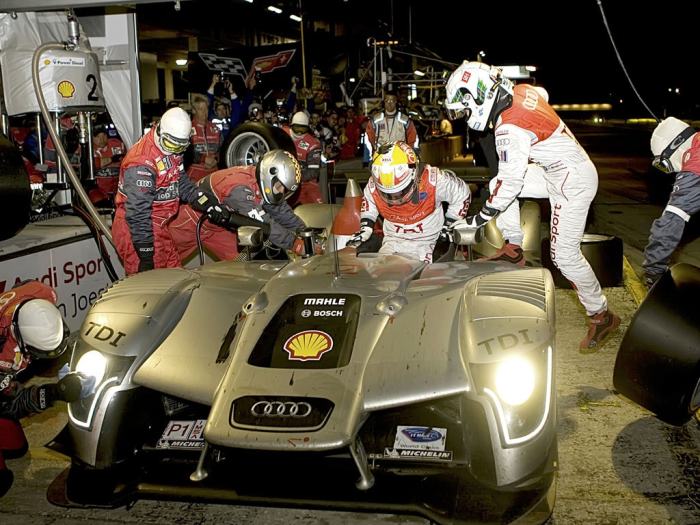
Behind-the-scenes in pit crews takes center stage as we delve into the exhilarating world of motorsport support teams. These highly-trained professionals are the unsung heroes of the racetrack, executing quick and precise maneuvers that can make or break a race. From tire changes to refueling, their roles demand not just skill but also an intricate understanding of teamwork and technology.
In this exploration, we’ll uncover the dynamic processes that keep pit crews running smoothly, the rigorous training they undergo, and how their strategies in high-pressure situations mirror the teamwork seen in various sports. Get ready to gain a deeper appreciation for the relentless dedication and coordination that defines these crucial behind-the-scenes players.
The Role of Pit Crews in Motorsports

Pit crews are the unsung heroes of motorsports, operating behind the scenes to ensure that race cars are in peak condition throughout the event. Their work often goes unnoticed by fans, yet it is critical to a team’s success on race day. From tire changes to fuel refills, each member of the crew plays a vital role in maintaining the car’s performance and minimizing downtime.The specific responsibilities of pit crew members are diverse and highly specialized.
Each crew member is trained to perform specific tasks quickly and efficiently. These tasks include changing tires, refueling, making mechanical adjustments, and providing data to the driver and team strategists. The coordination and precision of these operations can make or break a race, as even a fraction of a second can determine the outcome.
Responsibilities of Pit Crew Members
The efficiency of a pit crew during a race is crucial, and each member has designated roles that contribute to the overall performance. Understanding these responsibilities highlights the complexity of pit stop operations.
- Tire Change Specialists: These members are responsible for quickly replacing tires during pit stops. They use high-torque impact guns to ensure the job is done in a matter of seconds.
- Fuel Technicians: Responsible for refueling the car, they must ensure the process is safe and quick, using specialized hoses to minimize spillage and loss of time.
- Mechanics: These crew members make necessary adjustments to the car’s setup, which can include changing the wing angle or fixing minor mechanical issues.
- Data Engineers: They analyze telemetry data in real-time and communicate critical information back to the driver and crew chief, helping to adjust strategies on the fly.
- Team Coordinator: This individual oversees the entire operation, ensuring seamless communication and execution among the crew members.
Training Process for Pit Crew Personnel
The training process for pit crew members is rigorous and essential for developing the skills necessary to perform under pressure. This training focuses not only on the technical aspects of their tasks but also on teamwork and communication.Pit crew members often undergo extensive physical training to improve their speed and coordination. They participate in practice drills that simulate the high-stakes environment of a race, allowing them to hone their skills in a controlled setting.
Additionally, they engage in competitive scenarios to build their reaction times and work on their strategies against other teams.
“Pit stops are like orchestrated performances; precision and timing are everything.”
Technology and Tools Used by Pit Crews
The use of technology and specialized tools is fundamental in enhancing the performance of pit crews during races. These innovations not only streamline processes but also improve accuracy and safety.Pit crews utilize several key technologies, including:
- Impact Wrenches: High-torque tools that allow for lightning-fast tire changes, reducing the time spent in the pit.
- Fuel Cans: Advanced fuel delivery systems that minimize spillage and allow for rapid refueling.
- Telemetry Systems: Devices that provide real-time data on car performance, helping crews make informed decisions during pit stops.
- Communication Equipment: Headsets and radios that ensure all team members are synchronized during the frantic pit stop.
- Automated Jack Systems: Mechanized jacks that lift the car quickly and efficiently, further decreasing downtime.
In summary, the role of pit crews in motorsports is multifaceted and crucial to the success of a race team. Their extensive training, specialized responsibilities, and the incorporation of advanced technology exemplify the high level of skill and dedication required to excel in this fast-paced environment.
Behind-the-Scenes Dynamics of Pit Crews
Pit crews operate under intense pressure, managing critical tasks in a matter of seconds. Their success hinges not only on technical skills but also on effective communication and teamwork. Understanding these behind-the-scenes dynamics reveals the intricate workings that contribute to a race team’s overall performance.
Communication Strategies Employed by Pit Crews
Effective communication is paramount for pit crews, especially during high-stakes races. Crew members must convey vital information clearly and concisely to ensure that every action performed is synchronized and efficient.
- Verbal Cues: Crew members use a series of standardized verbal commands to signal actions, such as tire changes or fuel adjustments. This minimizes confusion and streamlines the process.
- Non-Verbal Signals: Hand signals and visual cues play a crucial role, particularly in noisy environments where verbal communication may be challenging. These signals help maintain clarity during fast-paced situations.
- Team Radios: Two-way radios enable real-time communication between the pit crew and the driver, allowing for immediate reporting of car performance and strategy adjustments.
Teamwork and Coordination in High-Pressure Situations
Teamwork is the backbone of a successful pit crew. The ability to work seamlessly together can make the difference between winning and losing a race. Each crew member has a specific role, and the coordination among them is essential.
- Specialized Roles: Each member, from tire changers to fuelers, has designated responsibilities that they must perform with precision. This specialization allows for a more efficient workflow.
- Practice and Rehearsal: Regular practice sessions help crew members refine their skills and enhance coordination. Simulation of race conditions prepares them for the real thing, ensuring that each member can execute their tasks instinctively.
- Stress Management: Strategies to manage stress and maintain focus are critical. Crew members often undergo training to deal with the psychological pressures of race day, allowing them to remain calm and effective under duress.
Emotional and Psychological Aspects of Being Part of a Pit Crew
The emotional and psychological landscape of pit crews is complex, as these individuals are often faced with high-stress situations that can lead to intense feelings of anxiety and excitement.
- Sense of Camaraderie: The bonds formed in the pit crew are often likened to those of a family. This camaraderie fosters a supportive environment that can help mitigate individual stress levels.
- Adrenaline and Focus: The rush of adrenaline during races can be exhilarating, but it also requires crew members to maintain peak focus. Many find that channeling this energy into their tasks enhances performance.
- Handling Setbacks: Dealing with mistakes, whether theirs or unforeseen circumstances, is part of the job. Successful crews learn to adapt quickly, maintaining a positive outlook to move forward efficiently.
“Effective communication and teamwork are the unsung heroes of a successful pit stop, demonstrating that racing is not just about the car, but also about the people behind it.”
Comparisons of Pit Crews Across Different Sports
The role of pit crews in motorsports is fascinatingly unique, yet it bears some striking similarities to support teams in various other sports. By examining the structure and functionality of these teams across different disciplines, we can better appreciate the nuances of teamwork and the shared principles that drive success. This exploration will highlight not only the stark contrasts but also the common threads that unite these teams in their pursuit of excellence.
Structure and Functions of Pit Crews in Motorsports and Support Teams in Team Sports
The operational framework of pit crews in motorsports shares a fundamental similarity with that of support teams in traditional team sports, such as football or basketball. Both teams are composed of specialized roles designed to enhance performance and efficiency. In motorsports, a pit crew typically consists of tire changers, fuelers, and mechanics, each trained to execute specific tasks in a high-pressure environment.
The crew must work seamlessly, often completing a pit stop in just a few seconds. This urgency creates a unique environment where precision and speed are paramount. Conversely, support teams in team sports, such as coaches, trainers, and strategists, while not executing tasks in real-time like pit crews, are equally crucial. They provide tactical guidance, physical training, and psychological support, contributing to the overall success of the athletes.
The primary difference lies in the immediacy of pit crew operations. While a pit crew’s performance is directly observed and results are immediate, the impact of a support team manifests over a longer duration, emphasizing strategy and preparation rather than instantaneous execution.
Comparative Dynamics of Pit Crews and Coaching Staff in Martial Arts
The dynamics between pit crews in motorsports and coaching staff in martial arts reveal both similar and contrasting approaches to athlete support. In martial arts, coaching focuses on skill development, strategy, and mental conditioning, often working closely with athletes to refine techniques and strategies. Pit crews, however, are focused on the mechanical and logistical aspects, ensuring that the vehicle is performing optimally during a race.
While martial arts coaching emphasizes technique and composure, the pit crew’s success hinges on their ability to manage equipment and execute rapid repairs or adjustments. Both require intense preparation and training, but where martial arts coaches must instill confidence and tactical acumen, pit crews must cultivate precise execution and speed. The essence of teamwork in both spheres is evident, highlighting the importance of trust and communication, albeit in distinct contexts.
Teamwork Principles in Pit Crews and Water Sports Teams
The principles of teamwork seen in pit crews can be effectively applied to the dynamics of water sports teams, such as rowing or synchronized swimming. In both contexts, successful performance is dependent on coordination, communication, and mutual support among team members.In rowing, every crew member must synchronize their strokes for maximum efficiency, much like a pit crew must perform their tasks in perfect harmony during a pit stop.
The importance of timing and rhythm is critical in both scenarios. Additionally, just as pit crews rely on clear communication to execute their roles efficiently, water sports teams must maintain constant dialogue to ensure that all movements are in sync. This dynamic fosters a strong sense of camaraderie that enhances team performance.An important aspect of teamwork in both cases is the ability to adapt to real-time changes—whether it be a sudden mechanical issue during a race or an unexpected current affecting the rowing pace.
This adaptability is crucial for success in high-stakes environments, demonstrating that the principles of effective teamwork are universal across various sporting disciplines.
Last Recap
As we wrap up our journey into the world of pit crews, it’s clear that their contributions extend far beyond the track. The blend of skill, teamwork, and technology creates a thrilling environment where every second counts. Understanding the emotional and psychological aspects of being in a pit crew adds a layer of depth to our admiration for these professionals.
Whether you’re a motorsport fan or simply intrigued by teamwork dynamics, the world of pit crews offers a fascinating glimpse into high-stakes collaboration.
Questions and Answers
What training do pit crew members undergo?
Pit crew members undergo rigorous training that includes practice drills, simulations, and learning to use specialized tools efficiently.
How do pit crews communicate during a race?
They use a combination of hand signals, headsets, and visual cues to maintain clear communication amidst the noise of the race.
What technology do pit crews utilize to enhance performance?
Pit crews leverage advanced tools such as telemetry systems, tire changers, and timing equipment to optimize their performance during races.
How does teamwork impact pit crew efficiency?
Effective teamwork allows pit crews to execute their tasks swiftly and accurately, reducing the time spent in a pit stop and improving race outcomes.
Are there emotional challenges faced by pit crew members?
Yes, the high-pressure environment can lead to stress, requiring crew members to develop emotional resilience to perform under pressure.


