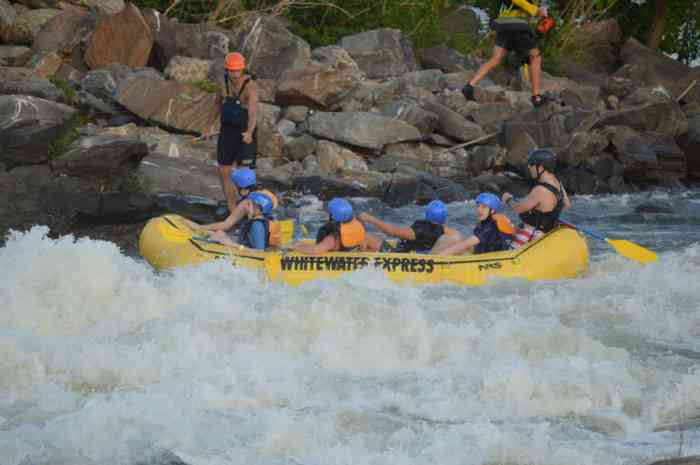
Whitewater rafting tours offer an exhilarating escape into the heart of nature, where adventure seekers can navigate through thrilling rapids and stunning landscapes. With rivers ranging from gentle flows to roaring torrents, these tours cater to all levels of experience, making them accessible to everyone from families to seasoned thrill-seekers.
Beyond the excitement, safety plays a crucial role in these adventures, with trained guides ensuring that participants are well-prepared for the journey ahead. Whether you’re looking to bond with friends, conquer your fears, or simply enjoy the beauty of the great outdoors, there’s a perfect rafting tour waiting for you.
Whitewater Rafting Tours Overview
Whitewater rafting tours offer an exhilarating blend of adventure and nature, allowing participants to navigate through exciting rapids while soaking in breathtaking scenery. This thrilling outdoor activity attracts both seasoned adventurers and first-time rafters, providing an opportunity to experience the rush of rushing water and the camaraderie of teamwork in an unforgettable environment. Various types of rivers present unique challenges and experiences for rafters, ranging from gentle streams suitable for beginners to raging torrents that test even the most experienced paddlers.
The classification of rivers based on their difficulty levels helps adventurers select the right tour that matches their skill level and comfort.
Types of Rivers for Whitewater Rafting
Understanding the types of rivers suitable for whitewater rafting is crucial for selecting an appropriate adventure. Rivers are categorized based on the intensity of their rapids, ranging from Class I to Class V, with each class representing a different level of difficulty. Here’s a brief overview of each class:
- Class I: These rivers are easy, with gentle currents and minimal obstacles. Ideal for families and beginners, they provide a relaxing experience with scenic views.
- Class II: Offering slightly more challenge, Class II rivers have small waves and straightforward navigation. This is perfect for those looking for a bit of excitement while still being manageable.
- Class III: These rivers present moderate difficulty, featuring irregular waves and powerful currents. This level is suitable for those with some rafting experience.
- Class IV: Characterized by intense rapids and turbulent waters, Class IV rivers are for experienced rafters. They require skill, teamwork, and physical strength to navigate successfully.
- Class V: The most challenging, Class V rivers present extreme hazards and demanding skills. Only highly experienced rafters should attempt these rivers, as they can be dangerous and unpredictable.
Importance of Safety Measures in Rafting
Safety is paramount in whitewater rafting, as the power of water can pose significant risks. Proper safety measures ensure that all participants can enjoy the thrill of rafting while minimizing dangers. Here are key safety practices essential for a safe rafting experience:
- Personal Flotation Devices (PFDs): All rafters must wear Coast Guard-approved life jackets to prevent drowning in the event of an accident.
- Safety Briefings: Orientation sessions provide crucial information about the river, equipment, and emergency procedures. Participants should pay close attention to ensure they understand the risks involved.
- Experienced Guides: Qualified rafting guides not only lead the group through rapids but are also trained in rescue techniques and first aid, enhancing overall safety.
- Proper Equipment: Rafters should ensure that their gear, including paddles, helmets, and rafts, is in good condition and suited for the type of river they will navigate.
- Weather Awareness: Checking weather conditions before embarking on a tour is crucial, as sudden storms can drastically change river conditions and increase hazards.
“Safety first: enjoy the adventure, but always respect the river.”
Popular Destinations for Whitewater Rafting
Whitewater rafting offers thrill-seekers an exhilarating experience as they navigate through rushing waters and challenging rapids. Across the globe, numerous locations are renowned for their whitewater rafting adventures, each providing unique landscapes, varying levels of difficulty, and stunning natural beauty. Below, we explore some of the top destinations for whitewater rafting and highlight their distinctive characteristics.
Top Whitewater Rafting Locations
The following destinations are celebrated for their remarkable whitewater rafting experiences. Each location presents its own challenges and scenic views, making them ideal for adventurers of all skill levels.
- Colorado River, USA: Flowing through the Grand Canyon, the Colorado River offers some of the most breathtaking scenery alongside thrilling rapids. The river features a variety of sections, ranging from gentle Class I waters to intense Class V rapids, making it suitable for both beginners and seasoned rafters.
- Futaleufú River, Chile: Known for its turquoise waters and stunning mountainous backdrop, the Futaleufú River is a must-visit for serious rafters. It boasts numerous Class IV to V rapids, demanding technical skills and delivering an adrenaline rush that is second to none.
- Ganges River, India: The Ganges offers a unique cultural experience combined with exciting whitewater. Rafters can navigate through Class II to IV rapids while soaking in the spirituality of the surrounding landscape, making it a remarkable combination of adventure and serenity.
- Tully River, Australia: The Tully River is famous for its lush rainforest surroundings and consistent water levels throughout the year. It features challenging Class III to IV rapids, making it suitable for adventure seekers looking for a wild ride in a stunning natural setting.
- Ottawa River, Canada: With some of the best whitewater conditions in North America, the Ottawa River provides thrilling Class III to V rapids. It’s particularly popular in the summer months when the water levels rise, attracting both novice and expert rafters.
Comparison of Rafting Difficulty Levels
Understanding the difficulty levels of various rafting locations is essential for selecting the right experience based on skill level and comfort. The following table Artikels the classifications of the listed destinations alongside their respective difficulty ratings:
| Destination | Difficulty Level | Rapids Classification |
|---|---|---|
| Colorado River, USA | Easy to Difficult | Class I to Class V |
| Futaleufú River, Chile | Difficult | Class IV to Class V |
| Ganges River, India | Easy to Moderate | Class II to Class IV |
| Tully River, Australia | Moderate | Class III to Class IV |
| Ottawa River, Canada | Moderate to Difficult | Class III to Class V |
“Choosing the right rafting destination not only ensures safety but enhances the thrill of the adventure.”
Related Sports and Activities

Whitewater rafting doesn’t exist in a vacuum; it’s part of a vibrant ecosystem of water sports that share similar skills, challenges, and environmental considerations. Whether you’re navigating the rapids or paddling a calm lake, the underlying principles of teamwork, balance, and endurance remain constant. This section delves into how whitewater rafting relates to other water sports, the environmental impacts that affect these activities, and how martial arts techniques can enhance the physical fitness of athletes involved in rafting.
Connection Between Water Sports
The connection between whitewater rafting and other water sports, such as kayaking, canoeing, and stand-up paddleboarding, is primarily rooted in their shared reliance on water navigation skills and teamwork. Each sport requires a unique set of techniques and strategies, but they all emphasize the importance of understanding water dynamics and environmental awareness. Here are some notable connections:
- Kayaking: Like rafting, kayaking involves paddling through rivers and often shares similar terrain. The skills learned in one translate effectively to the other, particularly in navigating rapids.
- Canoeing: A slower-paced alternative to rafting, canoeing also enhances balancing skills and teamwork, making it a great complement for rafters wanting to build endurance.
- Stand-up Paddleboarding (SUP): This sport focuses on balance and core strength, skills that are beneficial for rafters, especially in navigating through tricky waters.
Environmental Considerations Impacting Water Sports
The environment plays a crucial role in the enjoyment and safety of water sports, including rafting. Changes in water levels, pollution, and conservation efforts significantly impact these activities. Here are some key considerations for athletes and enthusiasts:
- Water Quality: Clean water is vital for all water sports. Polluted water can pose health risks and diminish the overall experience.
- Habitat Protection: Many waterways are home to fragile ecosystems. Responsible practices, such as leaving no trace and respecting wildlife, help preserve these environments.
- Climate Change: Alterations in weather patterns can affect river flow and ecosystem health, impacting when and where water sports can take place.
Martial Arts Techniques for Physical Fitness
Incorporating martial arts techniques into training can significantly enhance the physical fitness of athletes participating in whitewater rafting. The principles of martial arts, such as balance, agility, and core strength, are directly translatable to the skills needed in rafting. Here are some ways martial arts benefit rafters:
- Core Strength: Martial arts training emphasizes core stability, which is essential for maintaining balance in a raft and managing the physical demands of paddling.
- Flexibility and Agility: Techniques from martial arts improve flexibility and agility, which are crucial when navigating turbulent waters and reacting to sudden changes.
- Focus and Mental Discipline: The mental training involved in martial arts fosters concentration and calmness, helping rafters make quick decisions under pressure.
Final Conclusion
In conclusion, whitewater rafting tours not only provide an adrenaline rush but also an opportunity to connect with nature and create lasting memories. With diverse destinations and varying levels of difficulty, there’s something for everyone. So grab your paddle and embark on an unforgettable adventure!
Answers to Common Questions
What should I wear for a whitewater rafting tour?
It’s best to wear a swimsuit or quick-drying clothes, along with sturdy water shoes. Don’t forget to bring a hat and sunscreen!
Can children participate in whitewater rafting?
Yes, many rafting companies offer family-friendly tours suitable for children, often with age restrictions based on the river’s difficulty.
How fit do I need to be for rafting?
While a basic level of fitness is helpful, most tours are designed to accommodate a range of fitness levels. Always consult with the tour operator about specific requirements.
What happens if it rains on the day of my rafting tour?
Rafting tours typically run regardless of rain; however, safety is paramount, and trips may be canceled or rescheduled in the case of unsafe weather conditions.
Is it safe to go whitewater rafting?
Yes, whitewater rafting is generally safe when conducted by experienced guides who follow safety protocols and provide proper equipment.


