
Delving into Martial arts for mental health reveals a fascinating intersection between physical discipline and psychological wellness. As more people seek effective ways to tackle mental health issues, martial arts offer a unique blend of physical activity, mindfulness, and community support that can transform lives.
Numerous studies highlight the psychological benefits associated with martial arts training, including reduced anxiety and depression levels. By engaging in these practices, individuals not only improve their physical health but also cultivate mental resilience, contributing to an overall sense of well-being.
The Impact of Martial Arts on Mental Health
Practicing martial arts offers an array of psychological benefits that contribute significantly to mental well-being. Engaging in these disciplines provides not only physical fitness but also enhances emotional resilience, focus, and self-discipline. Through structured training, individuals can experience improvements in mood and overall mental health, making martial arts a valuable tool for managing stress and anxiety.Research has consistently shown that participation in martial arts leads to a decrease in anxiety and depressive symptoms.
A study published in the Journal of Clinical Psychology found that participants who trained in martial arts reported lower levels of stress and anxiety compared to those who did not engage in physical activity. The consistency of training fosters a sense of accomplishment and boosts self-esteem, which are critical factors in mitigating feelings of depression.
Psychological Benefits of Martial Arts Training
The psychological benefits of martial arts training are multifaceted and can significantly enhance mental health. These include:
- Improved Self-Esteem: Regular participation in martial arts helps practitioners gain confidence through skill development and mastery of techniques.
- Enhanced Focus and Concentration: Training requires mental engagement and focus, which translates to improved concentration in daily tasks.
- Stress Relief: Physical exertion releases endorphins, contributing to a sense of well-being and relaxation.
- Emotional Regulation: Martial arts instill discipline and self-control, equipping individuals with tools to manage their emotions more effectively.
- Community and Support: Engaging in group training fosters a sense of belonging and provides social support, which is crucial for mental health.
The connection between physical activity in martial arts and mental health is particularly evident in the way that movement influences mood. When practicing martial arts, the combination of physical exertion and mental focus facilitates the release of neurotransmitters like serotonin and dopamine, which play a key role in regulating mood.
Studies indicate that individuals who engage in regular physical activity, such as martial arts training, experience lower levels of anxiety and depression, contributing to improved mental health outcomes.
Data from the American Psychological Association highlights that individuals involved in martial arts training reported not only improved physical fitness but also enhanced mental clarity and a greater ability to cope with stress. For instance, an observational study involving adolescents participating in karate classes showed significant reductions in aggressive behavior and anxiety levels over a six-month period.In summary, martial arts serve as an effective intervention for enhancing mental health.
The blend of physical activity, mental discipline, and community involvement creates a robust framework for individuals seeking to improve their psychological well-being.
Martial Arts as a Tool for Stress Relief
Martial arts offer an effective avenue for stress relief, combining physical activity with mental discipline. This unique blend not only helps to release pent-up energy but also fosters a sense of calm and focus. Through various techniques, practitioners can manage stress in a holistic manner, enhancing both their physical and mental well-being.Mindfulness plays an essential role in martial arts practice, significantly contributing to mental clarity.
When practitioners engage in martial arts, they learn to focus their attention on their movements and breathing, promoting a state of mindfulness. This heightened awareness allows individuals to tune into their bodies, reducing anxiety and fostering a sense of peace. The integration of mindfulness techniques into martial arts not only aids in stress relief but also sharpens mental acuity, enabling practitioners to respond more effectively to challenges in everyday life.
Specific Martial Arts Techniques for Stress Management
Various martial arts disciplines incorporate specific techniques that are particularly beneficial for stress management. Understanding these techniques can help individuals identify practices that resonate with their personal preferences and needs. Some notable techniques include:
- Breath Control: Many martial arts emphasize controlled breathing techniques. This can include deep, diaphragmatic breathing that calms the nervous system and reduces stress levels.
- Slow Movements: Arts like Tai Chi incorporate slow, deliberate movements that promote relaxation and focus, allowing practitioners to release tension.
- Visualization: In disciplines such as karate and Aikido, practitioners often visualize movements and outcomes, helping to channel energy positively and alleviate stress.
- Repetitive Patterns: Techniques like kata (forms) in karate provide a rhythmic, meditative approach that can lead to a state of flow, reducing anxiety and improving concentration.
“The practice of martial arts is like a moving meditation that brings clarity and calm amidst chaos.”
Mindfulness Integration in Martial Arts
Mindfulness in martial arts is practiced through both physical and mental exercises. As practitioners engage in movement sequences, they are encouraged to focus their thoughts on the present moment, which is crucial for effective stress management. This practice fosters a sense of control and grounding, allowing individuals to navigate daily stressors more effectively.The benefits of mindfulness in martial arts extend beyond the dojo.
For example, practitioners often report reduced symptoms of anxiety and improved emotional regulation in their daily lives. Techniques such as mindful breathing and focused attention not only enhance physical performance but also cultivate a lasting resilience against stress.
Effective Martial Arts Disciplines for Stress Relief
Certain martial arts disciplines stand out for their exceptional ability to alleviate stress. These forms often prioritize mindfulness, gentle movements, and a holistic approach to well-being. Some of the most effective martial arts for stress relief include:
- Tai Chi: Known as “meditation in motion,” Tai Chi emphasizes slow, flowing movements and deep breathing, which are effective for calming the mind and body.
- Aikido: This martial art focuses on harmony and balance, promoting mental clarity and emotional calm through its fluid, non-aggressive techniques.
- Qigong: Similar to Tai Chi, Qigong combines movement and meditation, facilitating relaxation while enhancing energy flow in the body.
- Judo: The practice of Judo incorporates physical activity with a strong focus on mental discipline, helping practitioners learn to manage stress through physical exertion and strategic thinking.
These disciplines not only provide physical benefits but also contribute to a profound sense of mental well-being, making them ideal choices for those seeking stress relief through martial arts.
Comparisons with Other Sports and Their Mental Health Benefits
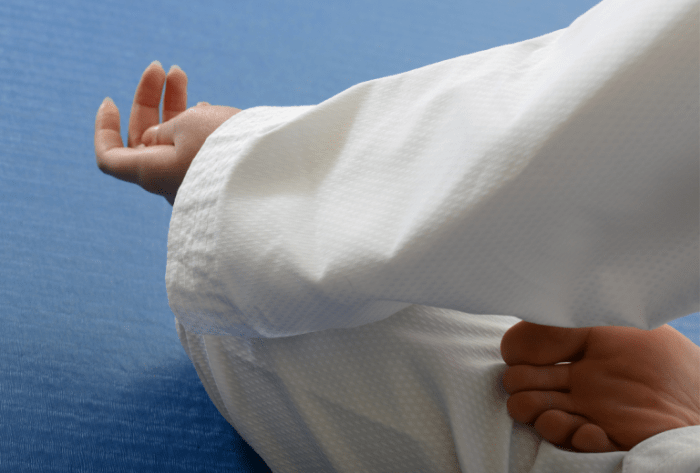
The mental health benefits of martial arts are often highlighted, but how do they stack up against team sports like soccer or basketball, and individual sports such as swimming or running? By analyzing various dimensions of different sports, we can appreciate the unique advantages martial arts provide in fostering mental resilience and emotional well-being.
Mental Health Advantages of Team Sports
Team sports like soccer and basketball offer numerous mental health benefits, including enhanced communication skills and a sense of belonging. Players often experience:
- Social Interaction: Engaging with teammates fosters friendships and reduces feelings of isolation.
- Team Cohesion: Working towards a common goal encourages collaboration, which builds trust and mutual support.
- Emotional Regulation: Players learn to handle both victories and defeats, contributing to greater emotional resilience.
While these aspects are beneficial, martial arts provide a unique set of advantages for mental health. Practitioners develop focus, discipline, and self-control through structured training, which can lead to heightened self-esteem and confidence.
Mental Resilience in Individual Sports
Individual sports such as swimming and running differ from martial arts in their approach to mental health. While they promote personal achievement and self-discipline, their impact on mental resilience can vary. Key distinctions include:
- Self-reliance: Individual sports cultivate personal accountability, yet they may lack the community support found in martial arts.
- Mindfulness and Presence: Activities like swimming often require a state of flow, promoting mental clarity but might not address emotional challenges as extensively.
- Motivation: Individual athletes often rely on self-motivation, which can lead to feelings of loneliness compared to the camaraderie developed in martial arts.
While swimming and running can enhance individual mental health, martial arts uniquely integrate physicality with mental discipline, enabling practitioners to confront and overcome emotional obstacles.
Teamwork and Camaraderie in Martial Arts
Martial arts offer a distinctive blend of teamwork and personal growth. Unlike traditional team sports, martial arts emphasize individual progress within a community framework. This fosters both camaraderie and a supportive environment:
- Mutual Respect: Practitioners learn to respect each other’s abilities and boundaries, nurturing a culture of support rather than competition.
- Partnership Dynamics: Training with partners encourages meaningful connections, enhancing social skills and emotional intelligence.
- Shared Goals: Achievements in martial arts are often celebrated collectively, reinforcing the sense of belonging and shared success.
In conclusion, the mental health benefits of martial arts are distinct yet complementary to those found in other sports. By comparing these experiences, it’s clear that martial arts not only promote physical fitness but also foster a profound sense of community and emotional resilience that can be transformative for practitioners.
Last Recap
In summary, the exploration of martial arts for mental health underscores its potential as a powerful tool for personal growth and emotional stability. As we embrace the benefits of these practices, it becomes clear that martial arts can play a significant role in the journey toward mental well-being, fostering a healthier, more balanced life.
Common Queries
How can martial arts improve mental health?
Martial arts enhance mental health by promoting physical fitness, reducing symptoms of anxiety and depression, and fostering a sense of community.
What types of martial arts are best for stress relief?
Disciplines like Tai Chi and Aikido are particularly effective for stress relief due to their focus on mindfulness and controlled movements.
Can martial arts help with anxiety management?
Yes, the physical activity and structured environment of martial arts can significantly aid in managing anxiety levels.
Is martial arts better than team sports for mental health?
While both can be beneficial, martial arts often provide individualized training that directly addresses personal mental resilience compared to the collective focus of team sports.
What role does mindfulness play in martial arts?
Mindfulness in martial arts enhances mental clarity and focus, allowing practitioners to better manage stress and stay present in the moment.


