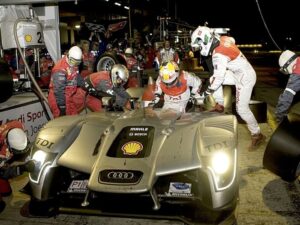
Touring car championships have a rich history that captivates motorsport enthusiasts around the globe. These exhilarating events not only showcase the skill of drivers but also highlight the engineering prowess behind some of the most iconic vehicles on the track. With a blend of competition, technology, and fan engagement, touring car racing stands out as a significant pillar in the world of motorsports.
As we explore the evolution, rules, and key features of these championships, we’ll uncover the impact they have on the broader motorsports industry. From thrilling races to the latest technological advancements, touring car championships are a dynamic arena where tradition meets innovation.
Overview of Touring Car Championships
Touring car championships have a rich history that reflects the evolution of motorsport and automotive technology. These competitions feature modified road cars that emphasize both speed and handling, making them exciting to watch for fans around the world. The blend of manufacturer involvement, driver skill, and team strategy has created a vibrant ecosystem in the racing community.The origins of touring car racing can be traced back to the early 20th century when manufacturers began to race their production cars against one another.
Over the decades, these events evolved into organized championships governed by specific rules and regulations. The cars, often derived from standard models, are modified to enhance performance while maintaining a resemblance to their production counterparts. Key features of touring car racing include weight restrictions, engine capacity limits, and safety regulations to ensure competitive yet fair racing.
Key Features and Rules of Touring Car Racing
Touring car racing is characterized by certain features that ensure the integrity of the sport and promote competitive balance among the participants. The following points Artikel the essential rules and characteristics of these championships:
- Vehicle Specifications: Cars must adhere to specific guidelines regarding size, weight, and engine performance. This standardization allows for an even playing field among competitors.
- Safety Regulations: Strict safety standards are mandated to protect drivers. This includes roll cages, fire suppression systems, and advanced seatbelt configurations.
- Race Format: Races typically consist of multiple heats, with points awarded for finishing positions. The overall champion is determined by total points accumulated throughout the season.
- Pit Stops: Teams often strategize their pit stops to maximize performance. Quick tire changes and refueling can significantly influence race outcomes.
- Tire Strategies: Tire selection plays a crucial role, as different compounds offer varying levels of grip and durability, affecting race pacing and fuel efficiency.
Major Touring Car Championships Around the World
There are several prominent touring car championships worldwide, each with its unique characteristics and fan base. The following list highlights some of the most significant competitions in the sport:
- FIA World Touring Car Championship (WTCC): This championship features a mix of manufacturers and private teams competing on international circuits, showcasing a variety of cars from different brands.
- British Touring Car Championship (BTCC): Known for its close racing and fan engagement, the BTCC has a rich history in the UK and features a wide range of popular manufacturers.
- DTM (Deutsche Tourenwagen Masters): This German series is renowned for its high-tech vehicles and competitive racing, featuring professional drivers from various backgrounds.
- Supercars Championship: An Australian touring car series that features ‘V8’ engines, known for its unique car designs and thrilling street circuit races.
- TC America: This series features a diverse range of touring cars competing across the United States, emphasizing both performance and accessibility for teams.
“The spirit of touring car racing is not just about speed; it’s about the connection between the car, the driver, and the team.”
Impact on Motorsports
The influence of touring car championships extends far beyond the racetrack, shaping various aspects of the broader motorsports industry. These championships serve as a platform for innovation, competition, and fan engagement, making significant contributions to both the performance and popularity of motorsports globally.Touring car racing fosters a unique blend of accessibility and excitement, drawing in both fans and aspiring racers.
In comparison with other motorsport disciplines such as Formula 1 and rally racing, touring car championships often provide more relatable vehicles and competitive formats. While Formula 1 showcases high-tech, singularly designed cars emphasizing speed and precision, and rally racing emphasizes versatility and driving skill across diverse terrains, touring car racing often features modified versions of everyday vehicles. This aspect not only makes the sport more approachable but also reflects the automotive advancements relevant to the average consumer.
Technological Advancements in Touring Car Championships
Touring car championships have been a rich ground for technological advancements that often trickle down into consumer vehicles. The following points illustrate key areas where innovation has flourished:
- Engine Efficiency: Modern touring cars incorporate advanced engine management systems that enhance performance while reducing emissions. Innovations in turbocharging and hybrid technology have led to more powerful and efficient engines.
- Safety Features: Safety innovations such as advanced roll cages, crash testing protocols, and driver protection systems have been integral to touring car championships. These advancements often find their way into production models, improving overall road safety.
- Suspension Technology: The development of sophisticated suspension systems in touring cars has improved handling and ride quality. Features such as adjustable dampers and aerodynamics refine vehicle performance, influencing both race cars and consumer vehicles.
- Telematics and Data Analytics: The use of real-time data analytics has become prevalent in touring car racing, allowing teams to optimize performance through detailed telemetry. This approach has applications in vehicle diagnostics and performance tuning in consumer cars.
- Tire Technology: The demands of touring car racing have spurred advancements in tire design, contributing to better grip, durability, and performance under varying conditions. Innovations in tire compounds and construction techniques enhance both racing and everyday driving experiences.
Through these advancements, touring car championships continue to influence not only the competitive landscape of motorsports but also the automotive industry at large, making significant contributions that resonate with both professional racers and everyday drivers alike.
“The evolution of touring car racing technology has profound implications, improving both race performance and driving safety on the roads.”
Legal and Regulatory Issues

The legal landscape surrounding touring car championships is complex and multifaceted, shaped by various regulatory bodies and legal frameworks. These structures are designed to ensure fair competition, uphold safety standards, and mitigate liability risks for organizers and participants. Navigating this legal terrain is essential for the successful operation of any motorsport event, as it influences everything from event planning to participant conduct.Touring car championships are governed by an array of legal frameworks, which include national and international motorsport regulations.
These frameworks are generally established by organizations like the Fédération Internationale de l’Automobile (FIA), which sets the rules for motorsport globally. Local motorsport authorities also have specific regulations that must be adhered to, reflecting the legal requirements of the region where the event is held.
Safety Regulations and Liability Concerns
Safety regulations are a critical aspect of touring car championships, addressing the myriad risks involved in high-speed racing. These regulations are designed to protect drivers, team members, officials, and spectators. Key components of safety regulations include:
- Track Design and Safety Features: Tracks must be designed with safety barriers, run-off areas, and emergency services access to minimize the risks of accidents.
- Vehicle Compliance: Cars must meet strict safety standards, including the use of roll cages, harnesses, and fire-resistant materials.
- Driver Training and Licensing: Drivers must undergo rigorous training and obtain appropriate licenses to ensure they are equipped to handle the demands of racing.
The potential for liability issues is significant in motorsports, prompting organizers to establish comprehensive insurance policies. These policies are crucial as they cover various liabilities, including accidents involving spectators or property damage.
“Liability is a primary concern for organizers, who must ensure all participants are aware of their responsibilities and the risks involved.”
Legal disputes can arise from accidents on the track or claims of negligence against organizers. To mitigate these risks, many championships require participants to sign waivers acknowledging the inherent dangers of racing and agreeing to abide by all safety protocols. In addition to safety and liability concerns, the law impacts the overall development of motorsport events. For instance, regulations can affect how teams are structured, sponsorship arrangements, and even the financial viability of events.
The balance between promoting competitive integrity and ensuring compliance with legal standards is crucial for sustaining the growth of touring car championships and the motorsport industry as a whole.In conclusion, navigating the intricate legal and regulatory framework of touring car championships is vital for ensuring the safety and integrity of the sport. Organizers and participants must work within these guidelines to foster an environment that prioritizes fair competition and minimizes risk.
Final Wrap-Up
In summary, touring car championships offer a fascinating glimpse into the heart of motorsport, where history, competition, and technology converge. As we continue to see advancements and changes in this arena, the future of touring car racing looks promising, inviting new fans and participants to experience the excitement firsthand. Whether you’re a seasoned follower or a newcomer, the world of touring cars is one that continues to evolve and inspire.
FAQ Summary
What are touring car championships?
Touring car championships are competitive racing events featuring modified production cars, highlighting driver skill and vehicle performance on various circuits.
How do touring car championships differ from other racing formats?
Unlike Formula 1, which features single-seater cars, touring car racing involves heavier, modified vehicles that are closer to production models, making for diverse racing dynamics.
What safety measures are in place for touring car racing?
Safety measures include roll cages, harnesses, and standardized safety protocols mandated by governing bodies to protect drivers and teams during races.
Which are the most popular touring car championships worldwide?
Some of the most notable championships include the British Touring Car Championship (BTCC), World Touring Car Cup (WTCR), and the Australian Supercars Championship.
How has technology influenced touring car racing?
Technology has played a crucial role in improving vehicle performance, safety, and fan engagement, with advancements in vehicle dynamics, telemetry, and digital broadcasting.